

State of Things
London's licensing machine, audited
Black Lives in Music spent two years inside London's event licensing, with the Met and the GLA at the table, and came back with the receipts. Black-led nights are cancelled, restricted and shut down at higher rates than white-led nights of the same size. Afrobeats, hip hop, R&B and dancehall are still waved through as high risk, and one promoter was handed a £10,000 bill for the privilege of a police presence. Form 696 died in 2017. Its ghost evidently kept the keys, at a cost of up to £141m a year in spend the city simply forfeits.
The report arrives with 19 recommendations, chief among them an independent review of venue and event licensing, its panel appointed by the Home Office and the GLA, and a Cultural Events Relief Fund for nights already lost. Councils would publish their licensing decisions every year, which is to say, show their work. The Colour Factory knows the going rate of the current regime: £55,000 gone after police suspended its licence over an incident outside the venue, after hours. "Culture is not a risk," says BLiM's chief executive. UK Music calls the findings "highly alarming."
Good to see someone actually put numbers on this. It is hard to argue it isn't happening when the data is right there.
The majors sweep DistroKid

The labels have found their villain in the AI flood, and it is a distributor. On Oct 14, Sony and UMG went to a New York court to pry loose DistroKid's upload data, claiming it delivered nearly 12 million tracks to one streamer in six months, more than half that platform's intake. One account, Lofi Chill, managed 4,562 releases in a year. The broom is wide, and the independents are caught first: Josh Sahunta's 2022 album was pulled and his royalties frozen, and producers report tracks with no samples at all vanishing alongside the slop.
DistroKid concedes it pulled "a very small number of recordings" and says it strongly disputes the claims beneath UMG's suit, first filed in Delaware on Sep 15. The artists tell another tale. Cleared samples, public-domain audio and wholly acoustic records have gone down alike. Low, a producer in the East Midlands, watched an entire album vanish from every platform without warning, told only that a strike existed, with no word on what it concerned or who had lodged it.
Feels like a lot of independent artists are getting caught up in this one. Worth keeping your own copies of everything, just in case.
Teksupport, wound down

Teksupport, the promoter that turned Brooklyn warehouses into a mega-rave circuit, is being dismantled by a New Jersey court amid a feud between its founders, with events halted after Nov 7. The filings make for grim reading. Four Tet's agent wrote that "someone could have been killed" at the Brooklyn Storehouse shows in September, after a chain gave way on a truss rig during soundcheck; the other side insists nothing fell and no one was hurt. The same papers put the fee at $390,000 for two nights. A rare look at the arithmetic of the city's biggest raves, and at how thin the margin for safety runs.
The case is Toma v. Vitacco, in the Chancery Division of Middlesex County, and its Oct 5 order reads like a liquidation notice. Events stop on Nov 7, the related entities are frozen and their assets sold off, and only production bills dated before Nov 6 will be paid. Staff deemed non-essential were let go by Oct 9. September is not the only incident on file: separate suits over a 2023 CircoLoco night and a 2024 Navy Yard show allege that elevated structures broke or fell, none of it yet proven.
Wild that a show that size came this close to going wrong. Hopefully whoever picks up those dates puts safety first.
A third of Britain's clubs, gone

455 UK nightclubs have closed since March 2020, more than a third of the lot, and late-night venues are vanishing at twice the rate of hospitality at large. The government's new 20% rates relief, arriving April 2027, embraces pubs, social clubs and live music venues, and pointedly excludes the nightclub, as though dancing were a vice rather than a trade. The NTIA's Michael Kill is lobbying hard before the Oct 28 Budget.
The arithmetic is unkind. Late-night venues are down 28.7% since March 2020, 867 rooms in all, against 14.4% for the market at large. In the first half of 2026 only 13 of the 374 night-time outlets lost were late-night venues, a slowing, or simply fewer doors left to close. The NTIA wants nightclubs written into the relief, a review of employer National Insurance, and official recognition of electronic music as culture. "Stop leaving nightclubs behind," says Kill.
Strange to help pubs and leave clubs out, when they are part of the same night out. Hopefully the Budget sorts it.
Live Nation, aggrieved
Live Nation has filed its answer to the FTC and seven states, and the tone is wounded innocence. The suit alleges Ticketmaster let brokers run hundreds or thousands of accounts past artists' ticket limits, then collected fees again on resale; fans paid $16.4bn in mandatory fees between 2019 and 2024. Among the company's 16 defences is the claim that the anti-bot law itself is too vague to enforce. This from a firm a Manhattan jury found had illegally monopolized primary ticketing, in April.
The 37-page answer, filed Oct 13 in Los Angeles, accuses the FTC of trying to "flip the Act on its head," turning a 2016 law written for scalpers against the house that sells the tickets. The court has already declined that reading once. On Sep 28, Judge Frimpong refused to dismiss, holding that the BOTS Act does not spare platforms from liability. Live Nation counters that it has spent over $1bn fighting scalpers since 2010 and blocked nearly 260 million bot attempts a day in 2025. Ticketmaster's own resale fees over the period in question came to $3.7bn.
Not a great look to argue the law is too vague to follow. I think most fans made up their minds a while ago.
90,000 a day
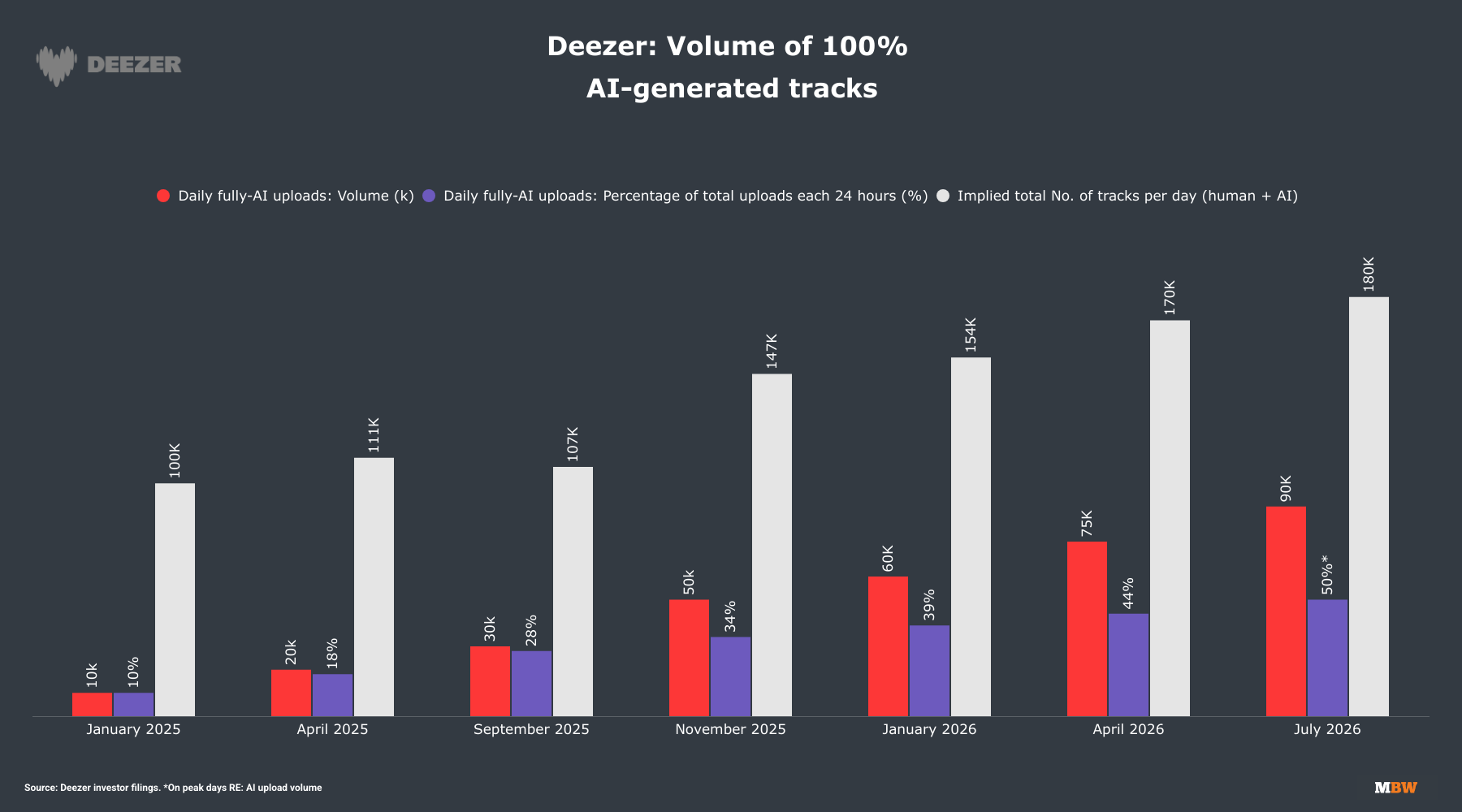
Deezer now receives nearly 90,000 fully AI-generated tracks every day, up from 10,000 in January 2025, and on peak days the machines outnumber the musicians. They draw 1–3% of streams, and Deezer reckons up to 85% of last year's plays on them were fraudulent. Its remedy, rolling out globally before year's end, is a switch that hides fully AI music from search: welcome, if belated, and an admission that the pipes are already flooded. Mind the fine print. Tags apply album-wide, so one false flag on a human record taints the whole LP.
The switch, announced Oct 13, strips fully AI tracks, albums and their phantom artists from search. They were already barred from recommendations and editorial playlists, and since April Deezer has declined to store them in hi-res. Its detector claims 99.8% accuracy, by Deezer's own unaudited count, and a wrongly tagged artist must appeal through a distributor before Deezer will hear them directly. The field is moving in step: YouTube Music began labelling on Oct 14, TIDAL pays no royalties on fully AI music, and Spotify keeps "AI Persona" profiles out of its recommendations by default.
A helpful option for listeners, though it doesn't slow the uploads. That part is still on the distributors.
Pushing the Live Experience
Ibiza, in small doses
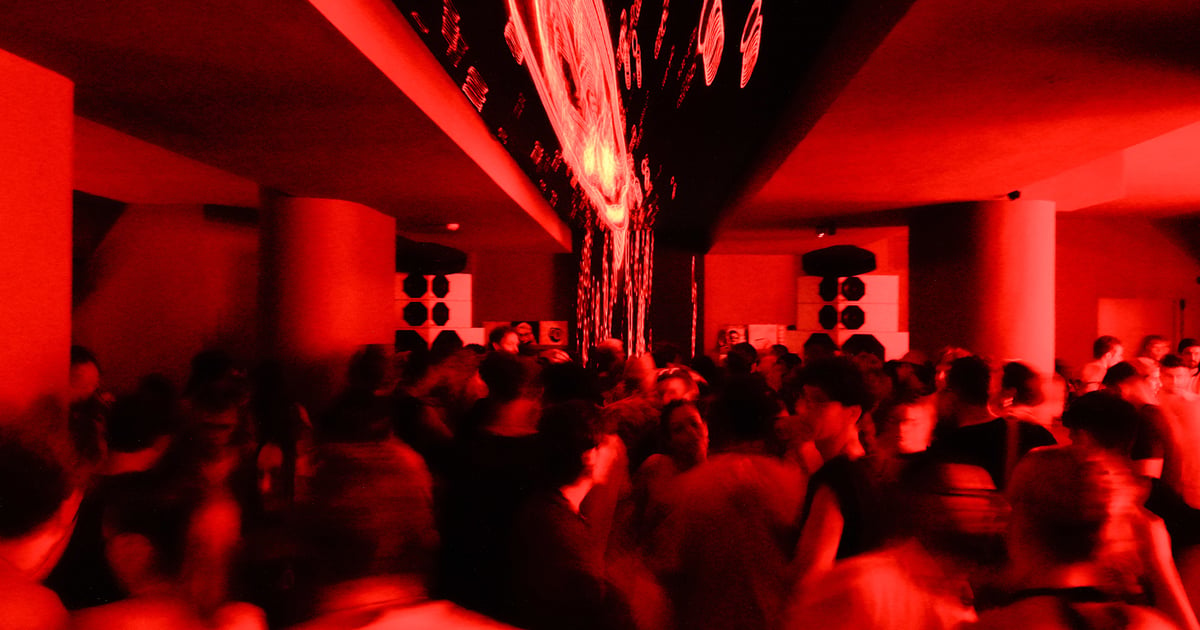
The antidote to the superclub is arriving in small rooms. Nocturna, in the basement of a Cala de Bou hotel, holds 380, bans phones, admits over-25s only and starts tickets at €15 (about $17), all on a serious TPI rig. Tomodachi, in San Antonio, gathers 100 around a rotary mixer; Akasha, at Las Dalias in Sant Carles, holds 300. Backers include Tokyo Industries' Aaron Mellor, which tells you the money has noticed where the feeling went.
Nocturna sits beneath Los Felices, a Concept Hotel Group property, with TPI's towering Totem 2 stacks either side of the booth and Nightmares On Wax among its residents. It is also one of the rare rooms on the island where a seat does not arrive with a table bill. Tomodachi's Miller And Friends nights coax big-stage names into long sets for a hundred souls: Petre Inspirescu, Mathew Jonson, Enzo Siragusa. Akasha, out by the island's oldest hippie market, is where Sven Väth and Hernán Cattáneo go to play small, and residents walk in free for the first hours of most nights.
Love seeing smaller rooms with good sound get attention on the island again. Feels much closer to why people went there in the first place.
Head Trip, and a festival without a timetable

Goldenvoice staged a one-off at the Empire Polo Club in Indio, California, the Coachella grounds, on Oct 10–11 and, for once, rethought the field itself. No clashes on the main stage, and six satellite screens scattered through the crowd in lieu of one wall behind the DJ, so the back of the field ceased to be the cheap seats. The boldest idea was Floating Points' Sunflower Sound System, on American soil for the first time: a treated dome, ten stacks in a full circle, and no published schedule at all. Theo Parrish, Ben UFO and Eris Drew were among those who passed through.
The main stage was a more familiar affair. Skrillex, Calvin Harris and Swedish House Mafia headlined a sci-fi set piece built by Romain Pissenem's High Scream. The heavens did not cooperate: lightning halted FISHER and Chris Lake on the first night, and nothing resumed. Harris was folded into Sunday's bill for 75 minutes, Skrillex asked the crowd to put its phones away, and Swedish House Mafia closed by threading "Mr. Brightside" through "Don't You Worry Child."
Really like the idea of no set times, you just wander and find something. Would love to see more festivals try it.
The Listening Room
Max Richter, by invitation only

The album launch as séance, not spectacle. Max Richter skipped the party and took While The Flood Rages on a device-free tour of hi-fi rooms, from Public Records in Gowanus, Brooklyn, to Friendly Pressure in London. The Tokyo stop is the one worth envying. TOH is an invite-only Shibuya bar whose address is disclosed only to guests, running custom Devon Turnbull OJAS speakers off a Garrard 301, where 25 lottery winners heard the record front to back, zine in hand.
The record is no lighter than the rooms. It is drawn from MaddAddam, the ballet Richter made with Wayne McGregor from Margaret Atwood's trilogy for the National Ballet of Canada and the Royal Opera House, their third union after Infra and Woolf Works. Ecological ruin and runaway technology are the subject matter. Decca released it Oct 16, with a companion book of crosswords and essays sold through independent shops. The tour carries on through Paris, Seoul and Berlin this week.
Phone-free listening with a great record is hard to beat. Glad New York got one of these at Public Records.
Spiritland goes brutalist
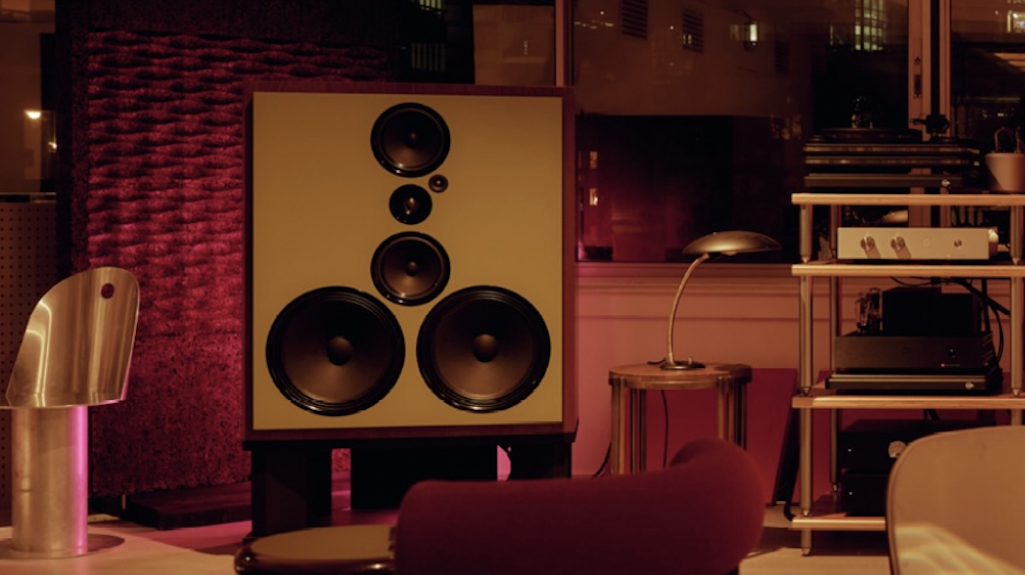
The listening bar, once a cult concern, has been taken in by the institution. Spiritland, co-founded by Sophie Uddin, opened in the Barbican's Lakeside Room in the City of London on Oct 20, over the fountains, for a run through July 2027. Living Voice built the system around a pair of R252s, and at 5pm every day a record plays whole, start to finish.
The room holds 100, on Level 2 above the lakeside fountains, and the programme runs the gamut from jazz and soul to classical, ambient and electronica. Collectors and artists take turns at the decks, with talks, tastings and supper clubs between. The daily 5pm playback ranges from the canonical to the obscure. "Emotional communication is the key element in music," says Living Voice's Kevin Scott.
Nice to see a listening bar in a space like the Barbican. Curious to see how the programming develops over the run.
ALTAR, Leytonstone

A new room on Church Lane in Leytonstone, East London, run by people who actually put out records: Jon Clifford of Dreamhouse, Toby L of Transgressive, Simon Singleton of Shake The High Road. Listening bar upstairs pouring Dreamhouse stock, a basement below for bands and DJs. Simian Mobile Disco and Kate Hutchinson christen it Friday, free, first come first served. Louis Theroux holds court on Nov 16, an unlikely guest for a basement and all the better for it.
It bills itself as arts space, bar and record shop in one, and the calendar suggests the founders mean all three. Alexis Taylor of Hot Chip opens the ALTAR Lates club series on Nov 6, Auntie Flo follows the next night, and the Theroux evening belongs to a separate ALTAR Talks strand. Upstairs is for listening. The basement is for volume.
Good to see a venue run by people who actually put out music. Usually means the bookings are worth paying attention to.
Fashion & Collabs
Needles goes to Queens

Keizo Shimizu's Needles has made its first collaboration with A Tribe Called Quest, built on the body-painted cover of The Low End Theory. A wool melton jacket wears the art across the back, there is a track jacket and pants, and a roll-neck cardigan is 3D-knit to mimic the paint itself. The butterfly is stitched in Tribe red and green. On sale since Oct 17 at Nepenthes in Japan, from about $153 to $681. No US release has been announced.
Four pieces in all, each carrying the Needles butterfly embroidered in Tribe colours. The poly track jacket and pants run about $188 and $153, the melton B.B. jacket about $486, and the 3D-knit cardigan sits at the summit at about $681. It dropped at 11:30am on a Saturday across Nepenthes in Tokyo, Osaka and Hakata, and South2 West8 in Sapporo. Tribe were the jazz-minded conscience of early-90s hip hop, which makes this one of the more literate collaborations of the season.
Two names that genuinely fit together. The 3D-knit cardigan is the standout.
ALD, on the decks

The finest thing Aimé Leon Dore released this week was not a garment. On Oct 16 the brand posted an hour of house and techno from Anastazja, recorded inside 214 Mulberry, its Nolita flagship in New York, the latest in a running series that has put Louie Vega, Roc Marciano, Kid Capri and Wyclef Jean behind the decks of a clothing store. It all lives on the SOUND page, alongside the numbered 214 Mulberry mixtapes. A record label in all but name, with better selection than most clubs.
The set is an hour of house, techno and dance, filmed in the store and posted without fanfare. That restraint is the point. 214 Mulberry has long behaved less like a shop than a clubhouse, and the SOUND archive is its guestbook: a growing record of who came through, and what they played.
One of the best things ALD does. The SOUND page is worth a proper listen.
Yohji, in pencil
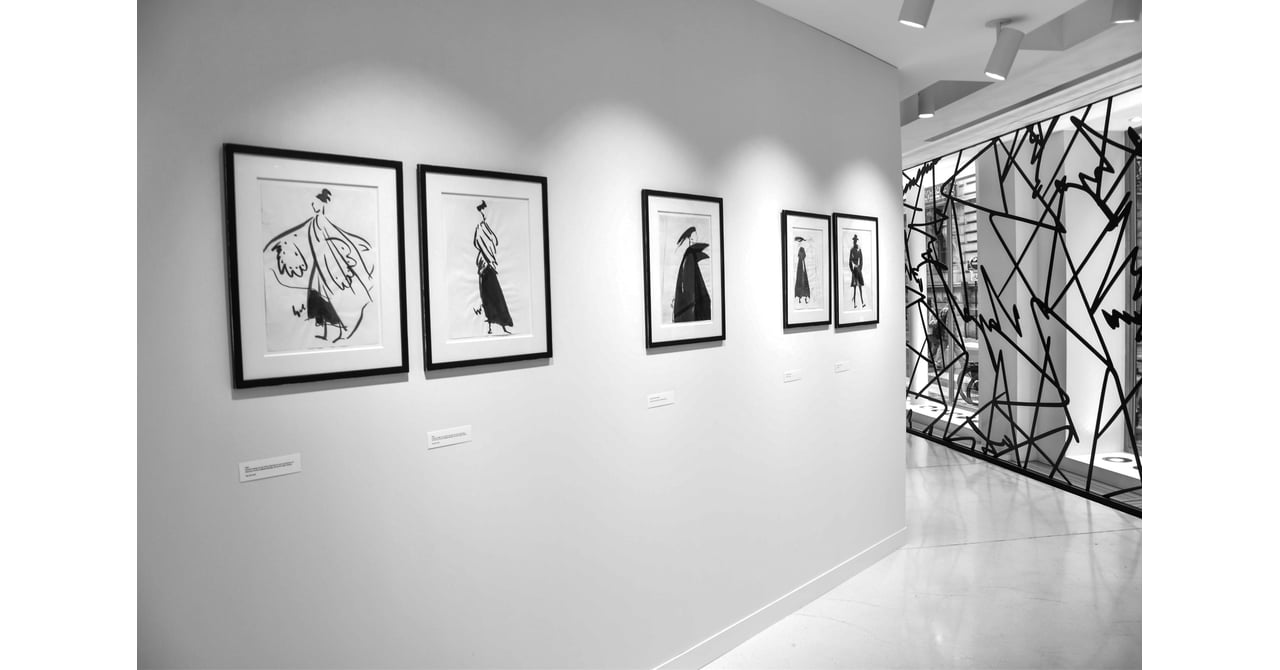
Hundreds of sketches turned up in a Tokyo warehouse, and Yohji Yamamoto picked through them himself. Yohji Yamamoto Drawings spans his 1981 Paris debut to 1999, two decades that rewired modern clothing, and none of it was ever shown because he regarded the sheets as mere workings. Peter Saville designed the book; Palais Galliera's Alexandre Samson wrote the text. Out in Japan Nov 6 at about $139, after a first edition sold at the Rue Cambon store in Paris during Fashion Week. The US edition, from Thames & Hudson, lands Nov 17 at $115.
The originals hung in the Rue Cambon store for the launch, women's and men's collections side by side. Saville, a collaborator of many years, gave some spreads a gatefold, so the drawings open out wide. In Japan the book sells through Yohji Yamamoto and Pour Homme stores and The Shop Yohji Yamamoto online, with French and English editions already in circulation.
Always interesting to see the sketches behind the clothes. A nice one to have on the shelf.
Culture
Kou Records

Bandcamp Daily profiled the label last week, and its next record, Randall Dunn's Manifold of Partially Actualized Realities, is out Nov 6 with readings by Jim Jarmusch and Laima Leyton, on pre-order now through Bandcamp. A young Brooklyn label, serenely indifferent to genre. Charmaine Lee, the experimental vocalist, and Randall Dunn, best known for his work with Sunn O))), cut most releases in multi-day sessions at Circular Ruin, and every sleeve carries its own drawing. The catalogue reads as a connoisseur's shelf: Eyvind Kang on solo viola d'amore, a David Torn double LP, Oren Ambarchi alone with a guitar, Eric Wubbels writing for three bassoons after Hilma af Klint.
The name is Chinese for mouth, chosen by Lee, and the label grew from her dissatisfaction with the ecosystem of labels that emerged after Covid. Its first release was her own Elevator Music, with Ikue Mori; she went to Dunn to have it mixed and mastered, and a partnership followed. They speak of a label as a container, music, design and documentation you can hold in your hands. The Dunn record, four movements built on Philip K. Dick's idea of overlapping realities, is the nearest the catalogue comes to a prog symphony.
A label clearly doing things with a lot of care. Worth digging through the whole catalogue.
Matthew Herbert, from the pantry

Protest music, sourced from the shelf, out Oct 16 on Accidental, Herbert's own label. Herbert has built an album entirely from food bank donations and titled it with a statistic: The UK Has More Food Banks Than Branches Of McDonalds. One item per track, pasta, tinned fruit, tampons, and a toilet roll turned into a dry, shuffling beat. It runs in a line from Plat du Jour (2005) and Tesco (2012).
The track titles do the arguing. "Pasta (is not a luxury)" is the centrepiece, a claustrophobic thicket of polyphony; "Tinned vegetables (shouldn't be unaffordable in a rich country)" sets a thumping house kick against metallic clunks that recall Around The House. To hear it in full, you either donate to a food bank or write to your local representative, and the launch show at The Ivy House in London gave its takings to Pecan Southwark Foodbank. No relief is offered, by design.
A clever way to make a point without preaching. Herbert has always been good at that.
SoundCloud builds a shop

SoundCloud is assembling a Bandcamp rival while no one is looking. In June it made follow-to-download gates optional; in July it absorbed the now-defunct Nina Protocol, keeping its editorial archive and genre map; since Aug 26 it has let about 200 US Artist Pro creators sell downloads with no commission. Bandcamp takes 15%. RA's counsel to artists is the sensible one: own your fans' email addresses, whoever owns the shop.
The download-gate change was never explained, and Hypeddit's John Gold admits the numbers are down now that fans engage by choice rather than by force. Nina came cheap in every sense: about $50,000 spent on it over its whole life, against $151m on Bandcamp in 2025 alone, and none of its staff came across. Chief executive Eliah Seton wants artists to build their audience "in one place, on one platform."
Zero commission is a good start for artists. I would still keep your own mailing list either way.